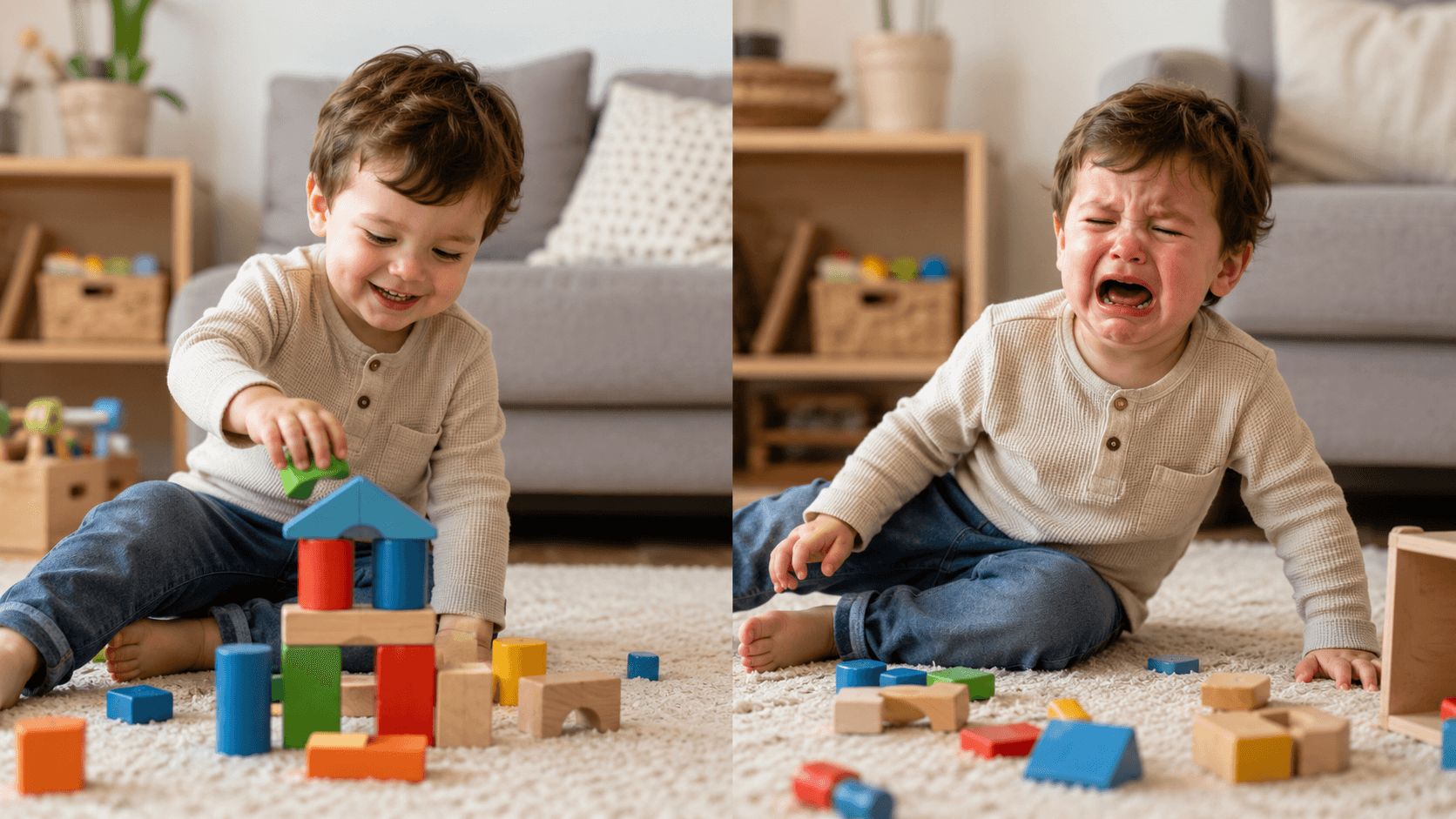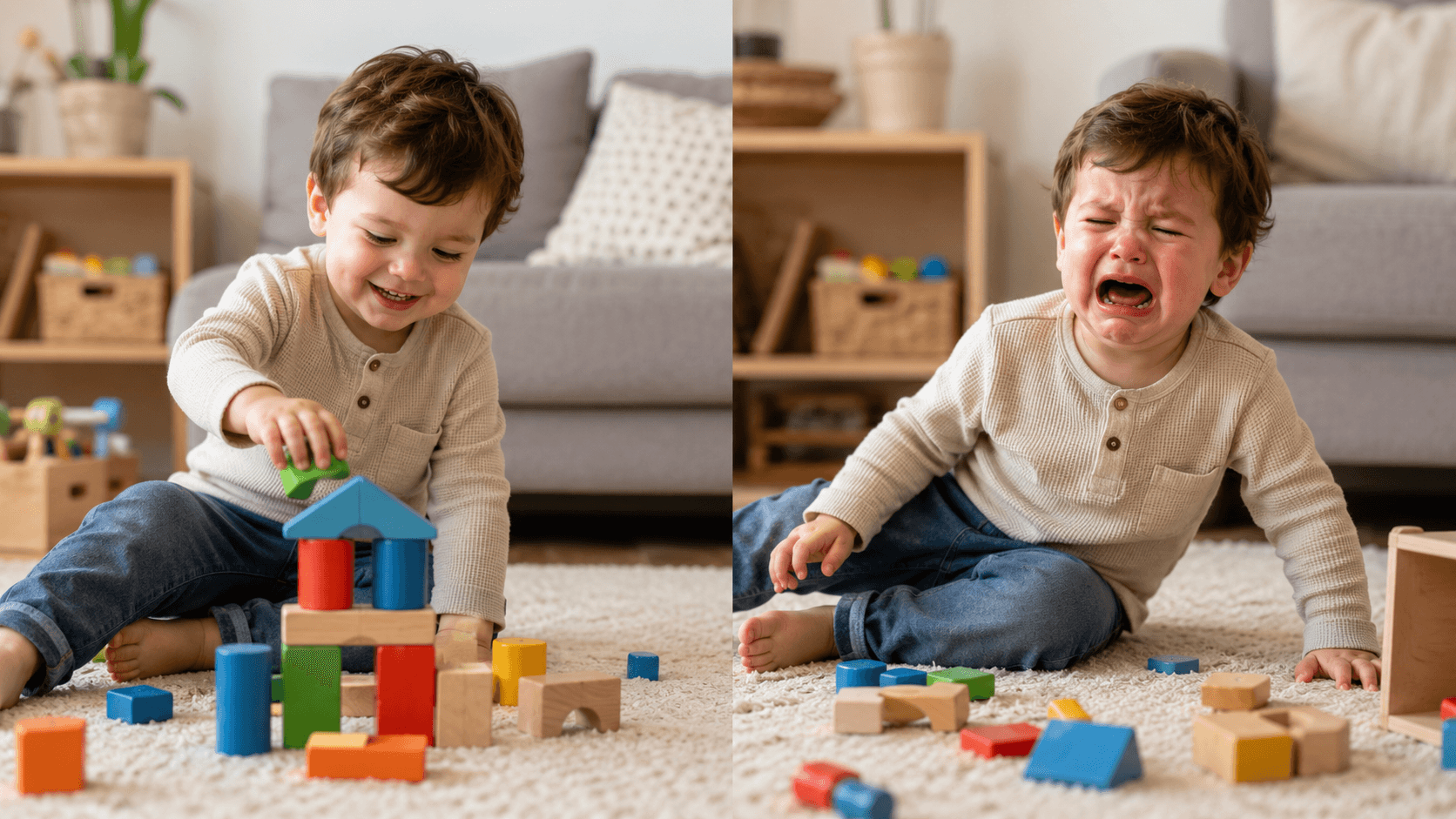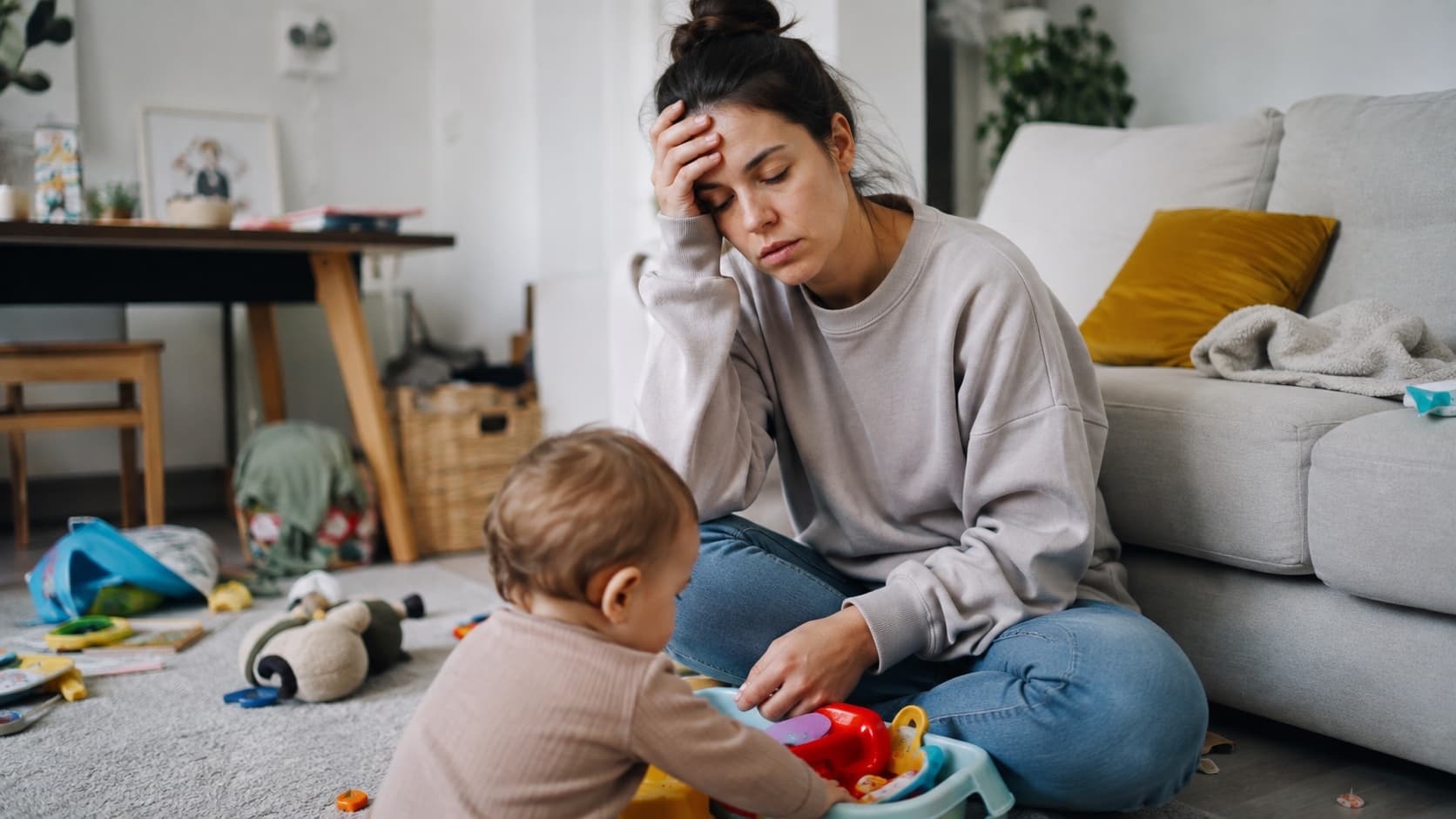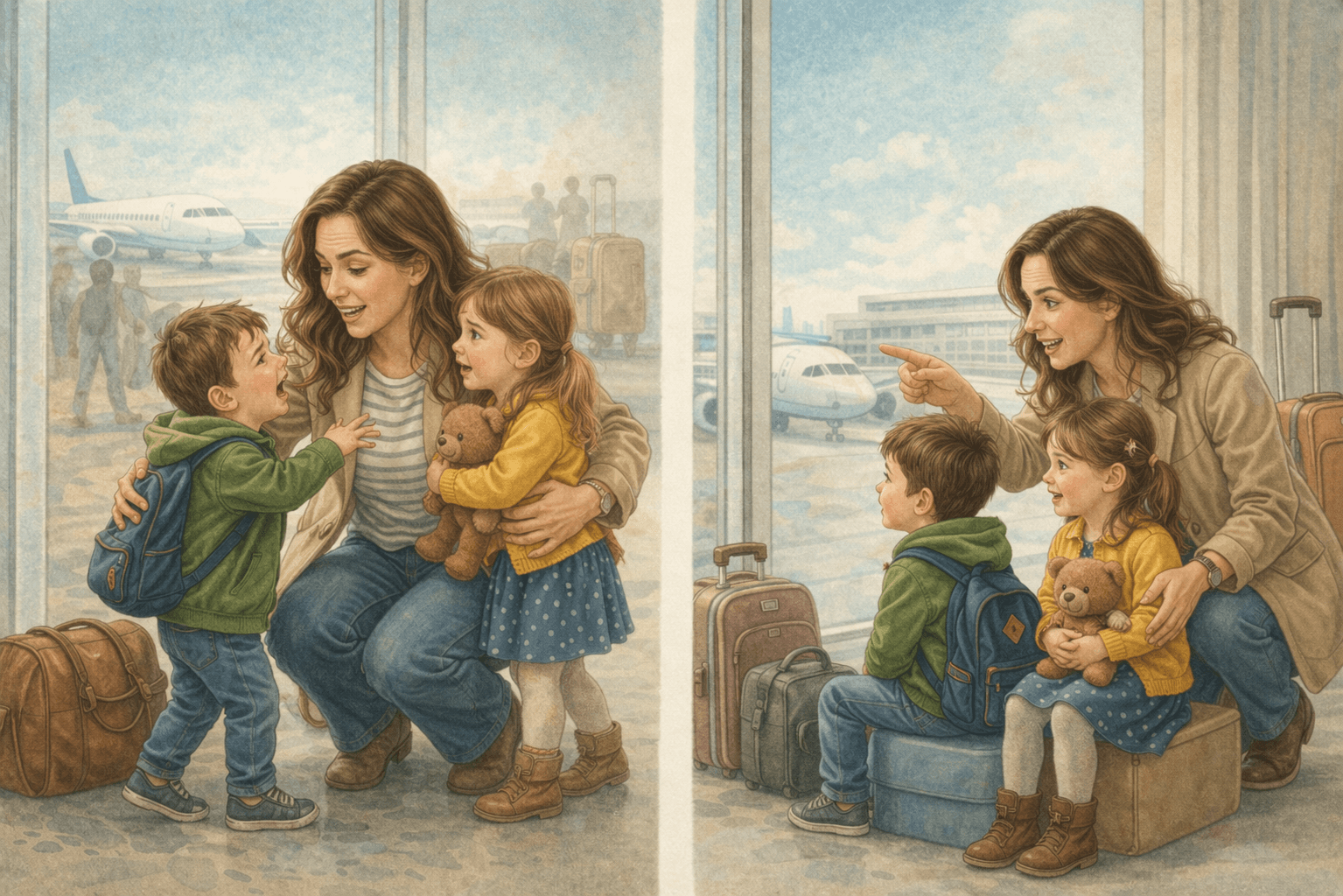
To travel with kids is to accept one truth right away: the trip will not go exactly as planned.
Someone will need the bathroom at the worst possible moment. Someone will be hungry again even though they just ate. Someone may cry while boarding, melt down at security, or refuse to sit down when everyone is staring.
That does not mean family travel is a bad idea. It means family travel works better when you plan for real children, not idealized ones.
This guide is written for families traveling with babies, toddlers, and preschoolers up to age 6. A Montessori-aligned approach helps here because it focuses on preparing the environment, supporting independence, lowering friction, and staying flexible when things go sideways.
This guide covers:
- why traveling with young children feels harder than parents expect
- 17 practical tips for airports, flights, and road trips
- what to pack for smoother travel days
- what helps most when you are flying with a toddler
- how Montessori principles can make family travel easier
Table of contents
- Why traveling with kids feels harder than parents expect
- A Montessori way to travel with kids
- 17 practical tips for flights, airports, and family trips
- Flying with a toddler: what helps most
- Road trip with kids: what actually works
- What to pack when you travel with kids
- How Montessori makes family travel easier
- FAQ
Why Traveling With Kids Feels Harder Than Parents Expect
Young children travel without the things that usually help them regulate best:
- familiar spaces
- predictable routines
- easy movement
- normal sleep
- familiar food
- enough time
- a clear sense of what comes next
When those supports disappear, behavior often gets harder. That is especially true when you are traveling with toddlers and preschoolers, because their regulation still depends so much on rhythm, movement, and adult support.
So the goal is not perfection. The goal is to make the trip more manageable, more peaceful, and more supportive for the child you actually have.
A Montessori Way To Travel With Kids
Montessori does not remove hard moments, but it gives you a useful lens.
Instead of asking, "How do I stop my child from being difficult?" ask:
- How can I make this environment easier to handle?
- What independence can I support?
- What routines can I keep?
- What friction can I remove before behavior breaks down?
That shift matters at the airport, on the plane, in the car, and at your destination.
If you want a quick refresher on the bigger philosophy, our guide to What Is Montessori explains why prepared environments, order, and meaningful participation matter so much for children under 6.
17 Practical Tips For Flights, Airports, And Family Trips
1. Give your family extra time at the airport
One of the easiest ways to make travel with kids harder is to rush every step.
Give your family extra time for:
- parking
- unloading bags
- bathroom stops
- security screening
- snack breaks
- unexpected delays
A slower start lowers stress for everyone.
2. Prepare your child before the trip
Children do better when they know what is coming.
Before you leave, explain:
- where you are going
- how you are getting there
- what the airport will be like
- what happens at security
- what happens on the plane or in the car
- where you will sleep
Keep it simple and concrete. You might say, "First we drive to the airport, then we go through security, then we wait, then we get on the plane."
Preparation reduces surprise. Less surprise usually means fewer meltdowns.
3. Dress for security, not just for cuteness
Airport clothing should help, not slow you down.
Have children wear:
- shoes that are easy to take off and put back on
- outer layers that are simple to remove
- comfortable clothes for sitting and movement
Small details matter when everyone is tired and waiting.
4. Pack snacks and then pack more snacks
If there is one universal rule for traveling with kids, it is this: pack snacks, then pack more snacks.
A hungry child on a travel day often becomes an overwhelmed child very quickly.
Bring:
- familiar snacks
- easy-to-hold foods
- protein if possible
- one backup option
- more than you think you need
Food is not just food on a trip. It is behavior support.
5. Choose your child's meal ahead of time when possible
If you are flying and the airline allows meal selection, choose your child's meal beforehand.
This helps because:
- your child is more likely to get something familiar
- you remove one in-the-moment stress point
- you are not relying completely on chance or timing
It is a small step, but it can make the flight easier.
6. Use screens wisely instead of using them constantly
Screens can absolutely help during travel. The key is using them strategically.
Try this:
- do not front-load the day with fast-paced screen time before boarding
- download content at home instead of relying on airport or airplane internet
- look for a few simple games that work without Wi-Fi
- save your strongest screen option for the moment you truly need it
For many children, too much stimulation before boarding makes sitting still even harder later. A more balanced plan usually works better: movement, snacks, connection, familiar activities, and then screens used thoughtfully.
7. Bring kid-size headphones
Kid-size headphones are one of the simplest travel tools that make a real difference.
They help with:
- shows or audio on the plane
- lowering noise stress
- keeping the experience more comfortable for your child and for others
If you plan to use screens or audio, pack the headphones where you can reach them quickly.
8. Pack a mix of familiar activities and surprise activities
This is one of the most reliable family travel tricks.
Bring:
- a few activities your child already knows and enjoys
- a few activities they will see for the first time on the trip
The familiar activities bring comfort. The new ones create novelty.
That combination works especially well on planes and during long waits.
9. Choose travel activities that actually work in small spaces
Good travel activities are quiet, contained, and easy to hold.
Great options include:
- stickers
- Water Wow books
- magnetic toys
- suction toys
- reusable activity books
- a small notebook
- magic coloring or scratch coloring
These usually work better than bulky toys or anything with lots of loose pieces.
If you want more age-based ideas, see our guides to Montessori Activities for 1 Year Olds, Montessori Activities for 2 Year Olds, and Montessori Preschool Activities.
10. Let your child help during the trip
One of the most Montessori-aligned ways to travel with kids is to let them participate.
Depending on age, they can:
- carry a small backpack
- choose between two snacks
- hold their boarding pass
- wheel a child suitcase
- wipe a tray table
- carry their water bottle
- help pack books or socks
Children often cooperate more when they feel included instead of managed every second.
11. Keep the travel bag simple
Parents often overpack entertainment and then cannot find anything when they need it.
A better travel bag includes:
- snacks
- water bottle
- wipes
- one change of clothes
- a comfort item
- a few high-value activities
- headphones
- medications you may need
Too many items create clutter. The right few items create calm.
Want calmer travel days and fewer public meltdowns? The Montessori Parent Guide app helps with real parenting moments on the go: transitions, boredom, routines, tantrums, and age-based activity ideas that actually fit your child.
12. Protect routines where you can
Travel changes a lot, but keeping a few anchors helps children feel steadier.
Try to protect:
- familiar snack rhythms
- a bedtime book
- pajamas at the usual time when possible
- one comfort object
- a simple morning routine
Even when the space is new, the rhythm can still feel familiar.
If sleep setup matters a lot for your child, our Montessori Sleep Guide and Montessori Bedroom Setup guide can help you identify the parts of home rhythm worth loosely recreating while you are away.
13. Build movement into the plan
Children are not built for long stretches of stillness.
Before and during travel, make space for:
- walking before boarding
- standing and stretching during waits
- early road-trip stops
- outdoor movement after arrival
- a chance to move before expecting quiet in a hotel or restaurant
Movement reduces pressure. Less pressure usually means less conflict.
14. Wash hands often and pack basic health items
Travel puts children in shared spaces with lots of surfaces and lots of people.
Helpful basics include:
- hand-washing when possible
- hand gel
- disinfectant wipes
- tissues
- any medication you may need
Do not leave medication to chance at your destination. Pack what your family might realistically need.
15. Plan ahead for the car seat
If you will need a car seat at your destination, make that decision early.
You can either:
- bring your own
- arrange one ahead of time at the destination
Do not leave this as a last-minute detail. It is too important and too stressful to figure out under pressure.
16. Consider travel insurance
Travel insurance is not exciting, but it can be worth considering, especially for bigger trips.
When you travel with kids, plans can change because of illness, delays, cancellations, or unexpected problems. Having coverage may give you one less thing to worry about if something goes wrong.
17. Remember this when things get hard on the plane
Your children have the right to be there just as much as other passengers do.
Yes, be prepared. Yes, be considerate. Yes, do your best.
But do not let the fear of judgment make you panic through the whole experience. Your child needs you more than strangers need perfection.
That mindset alone can help you stay calmer.
Flying With A Toddler: What Helps Most
If your biggest stress point is flying with a toddler, focus on the basics that matter most:
- give yourself extra airport time
- avoid overstimulating screen use before boarding
- download content at home
- bring kid-size headphones
- pack familiar snacks and more snacks
- bring a mix of familiar and surprise activities
- choose the child meal ahead of time if possible
- let your toddler move before the flight
- keep medication easy to reach
The goal is not a silent flight. The goal is a more manageable one.
For many toddlers, language work also travels well. Simple naming games, sound games, and object talk can keep a wait calmer without needing a big setup. Our Montessori Language Activities guide gives easy ideas you can adapt for a gate area, hotel room, or long line.
Road Trip With Kids: What Actually Works
For a road trip with kids, success usually comes down to pacing.
What helps:
- leave earlier than the meltdown window
- stop more often than you think you need
- keep snacks accessible
- rotate activities
- switch between stories, songs, silence, movement, and screens
- keep one outfit change close
- do not overplan the day after arrival
A good road trip is rarely about perfect behavior. It is about keeping the stress level from climbing too high.
What To Pack When You Travel With Kids
Here is a realistic packing list that makes family travel easier.
For your child
- extra clothes
- pajamas
- comfort item
- water bottle
- easy snacks
- travel activities
- kid-size headphones
- wipes
- medications
- diapers or toilet backup if needed
For the airport or plane
- boarding documents within reach
- hand gel
- disinfectant wipes
- one small blanket if helpful
- downloaded shows or games
- charging cable
For smoother parenting
- your own snack
- your own water
- lower expectations
- more time than you think you need
Staying calm yourself is part of the travel plan too.
If packing gets chaotic at home, it often helps to simplify your child's clothing choices before the trip. Our Montessori Wardrobe guide is useful for building that "fewer, better options" mindset long before departure day.
How Montessori Makes Family Travel Easier
Montessori does not mean your child will never cry on a trip.
It does mean you can build travel around principles that reduce friction:
- fewer, better choices
- independence where possible
- calm, prepared environments
- realistic expectations
- meaningful participation
- simple routines
That is why travel often goes better when the child has a job, the bag is not overflowing, the day is not overbooked, and the adults are not trying to force adult-style travel onto very young children.
Helpful related reading:
- Montessori Practical Life Activities
- Montessori Bedroom Setup
- Montessori Sleep Guide
- Montessori Floor Bed
FAQ
How do I make traveling with kids easier?
Travel with kids gets easier when you slow the day down, prepare your child for what is coming, pack familiar snacks and a few high-value activities, and protect routines where you can.
What should I pack when flying with a toddler?
Pack snacks, water, wipes, one change of clothes, a comfort item, a few quiet activities, kid-size headphones, downloaded content, and any medications you may realistically need.
What helps most during a travel-day meltdown?
Lower demands, reduce noise and stimulation, offer water or a snack, use very few words, and focus on helping your child regulate instead of forcing perfect behavior.
Can Montessori help with family travel?
Yes. Montessori principles help by reducing friction: prepare the environment, support independence, keep choices simple, protect routines, and let your child participate in real tasks.
Need support before your next flight, road trip, or family vacation? Montessori Parent Guide gives you practical help for real travel-day parenting: routines, transitions, boredom, meltdowns, and age-based activity ideas that work at home and on the go.
Final Thoughts: The Goal Is Not A Perfect Trip
When you travel with kids, the goal is not to prove that your family can move through airports, flights, hotels, and meals without a single hard moment.
A better goal is this:
- prepare well
- support your child's real needs
- use screens wisely
- pack snacks generously
- protect routines where you can
- stay flexible when plans change
- remember that one hard moment does not define the whole trip
That is what makes family travel feel more doable.
And often, that is what turns a stressful day into a meaningful memory.