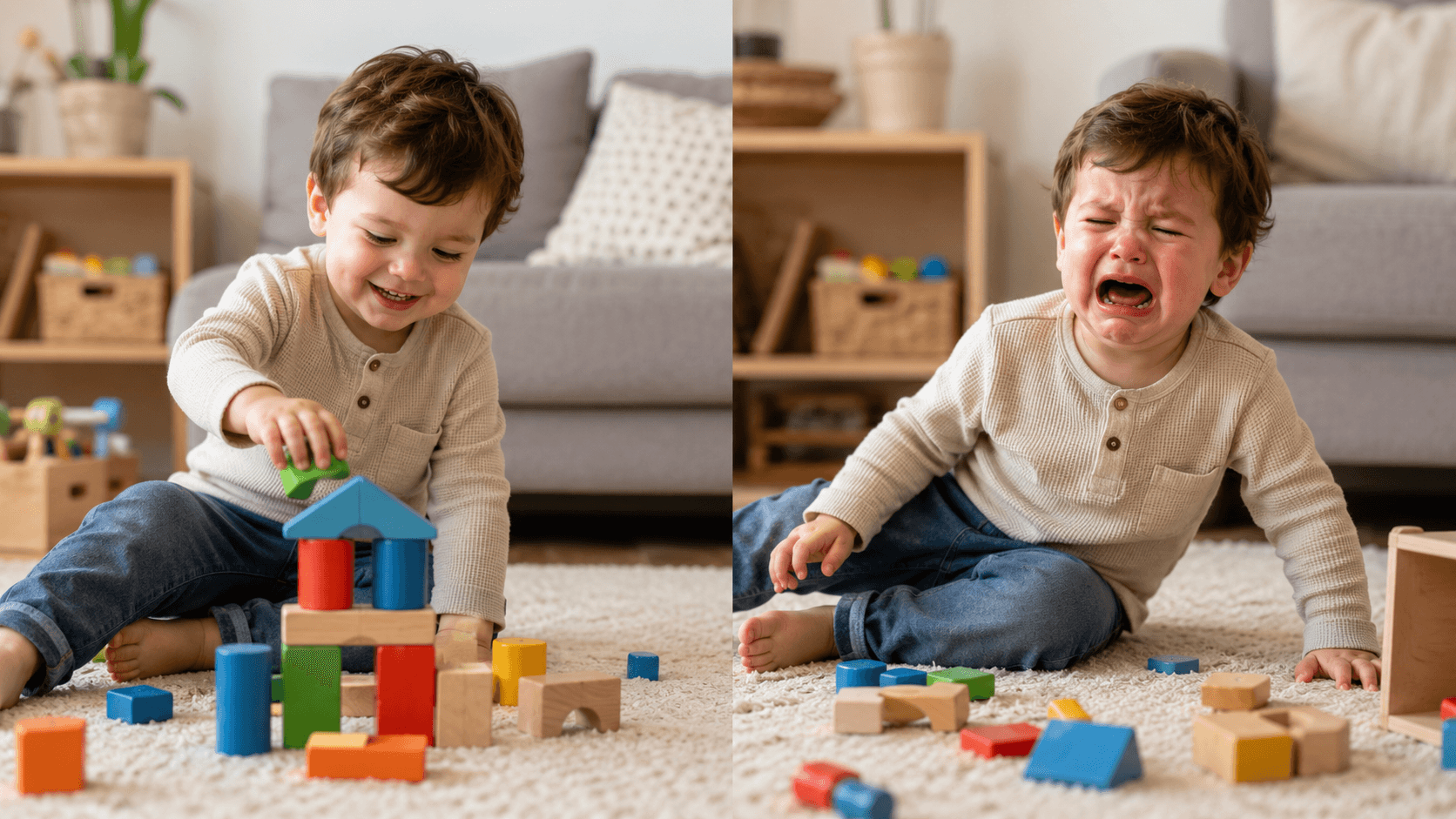
Parenting stress does not always look dramatic.
Sometimes it looks like snapping over spilled water. Sometimes it looks like hiding in the bathroom for one quiet minute. Sometimes it looks like feeling irritated before the day has even really started.
You love your child. You may also feel overwhelmed by how constant parenting can be.
The needs do not stop. The noise does not stop. The decisions do not stop. And many parents are carrying far more than anyone around them realizes.
If parenting has felt heavier than you expected, that does not mean you are failing. It usually means the load is real.
The good news is that there are practical ways to make daily life feel more manageable. You do not need a perfect routine or a perfect house. Often, a few small shifts can lower stress more than you think.
Table of Contents
- What parenting stress really feels like
- Why so many parents feel overwhelmed
- What makes parenting stress worse
- 10 practical ways to reduce parenting stress
- What to do in the moment when you feel overwhelmed
- When it is time for more support
- Final thoughts
What Parenting Stress Really Feels Like
Parenting stress is the mental, emotional, and physical strain that comes from caring for children while also trying to hold everything else together.
It can come from:
- constant responsibility
- decision fatigue
- behavior struggles
- sleep disruption
- financial pressure
- household work
- lack of time alone
- worry about your child
- the feeling that you should be doing more
Some stress is part of parenting. But when it starts to feel nonstop, it changes how daily life feels.
It may show up as:
- snapping faster than usual
- feeling touched out
- resenting interruptions
- dreading certain times of day
- feeling guilty no matter what you do
- struggling with whining, mess, or sibling conflict
- feeling like simple tasks take too much effort
- always feeling behind
Many parents do not call it stress at first. They say:
- "I can't handle one more thing."
- "Everything feels harder than it should."
- "I'm always reacting."
- "I feel exhausted all the time."
That is often parenting stress.
Why So Many Parents Feel Overwhelmed
Parents are carrying two loads at once.
The visible load:
- meals
- cleanup
- laundry
- school drop-off
- bedtime
- appointments
- errands
And the invisible load:
- remembering what the child needs next
- planning meals
- anticipating meltdowns
- tracking routines
- managing clothes, supplies, naps, and transitions
- trying to stay emotionally available while tired
That is why even small interruptions can feel big. It is rarely about just one thing. It is the pile-up.
What Makes Parenting Stress Worse
Some parts of parenting are hard by nature. But some stress gets heavier because of how daily life is set up.
Common stress multipliers include:
- clutter
- too many toys
- constant rushing
- no predictable rhythm
- unrealistic expectations
- too much screen time followed by dysregulation
- trying to entertain your child all day
- too little movement or outdoor time
- no real breaks for the parent
One overlooked source of stress is feeling like you need to fill every quiet moment. If that sounds familiar, this is a natural place to read Bored Kid? What to Do When Your Child Says "I'm Bored", because boredom is not always something parents need to fix immediately.
Montessori Parent Guide gives you practical help for routines, behavior struggles, activities, independence, and the stressful moments that pile up at home. It helps you find realistic next steps based on your child's age and your real day.
10 Practical Ways To Reduce Parenting Stress
1. Make one part of the day easier first
Do not try to fix everything at once.
Pick one pressure point:
- mornings
- mealtimes
- cleanup
- getting out the door
- bedtime
Then simplify that one part first.
That might mean:
- setting clothes out the night before
- simplifying breakfast
- reducing choices
- using the same bedtime order every night
One easier routine can change the tone of the whole day.
2. Reduce clutter
Clutter creates more visual noise, more cleanup, and more stress.
Too many toys often lead to:
- more mess
- less focused play
- more dumping
- more parent involvement
A simple reset helps. Put some toys away. Keep fewer out. Make the room easier to manage.
The Montessori toy rotation at home guide fits naturally here because fewer options often lead to calmer play.
3. Stop trying to entertain your child all day
This is one of the fastest ways to burn out.
Children do not need constant entertainment. They need:
- a few good options
- open-ended play
- practice starting on their own
- time to settle into something
If your child keeps saying "I'm bored," that does not always mean you need a brand-new activity. Often they need a bridge into play, not a performance from you.
4. Build more independence into daily life
When children can do more, parents carry less.
Start with small changes:
- low hooks for coats
- a stool for handwashing
- easy-to-reach cups or snacks
- a reachable laundry basket
- simple cleanup tools
That is one reason home setup matters. It is not just about child development. It is also about making everyday life less labor-intensive for the adult.
These related setup guides can help:
5. Use routines to reduce decision fatigue
You do not need a rigid schedule. You need enough rhythm that the day does not feel like constant improvising.
A simple flow helps:
- wake up
- get dressed
- breakfast
- outside time
- lunch
- rest
- snack
- play
- dinner
- bath
- bedtime
Children often do better when they know what comes next. Parents do too.
6. Give your child useful things to do
Children often become calmer and more cooperative when they feel included.
Try:
- washing fruit
- carrying napkins
- wiping the table
- watering plants
- matching socks
- helping with snack
This is why Montessori practical life activities can be so helpful. Useful work gives children something real to do and takes some pressure off the parent.
7. Lower the number of daily battles
Ask yourself:
- Am I correcting too much?
- Are some of these conflicts avoidable?
- Am I saying no more than I need to?
- Am I expecting more than my child can realistically do right now?
Sometimes parenting stress drops when you protect the important boundaries and stop fighting every small thing.
8. Protect your own basic needs
Everything feels worse when you are:
- hungry
- dehydrated
- underslept
- overstimulated
- never alone
You may not be able to solve all of that right away. But small steps count:
- drink water
- eat something real
- step outside for a minute
- ask for help with one task
- let one nonessential thing go today
9. Use fewer words in hard moments
When stress is high, parents often start talking more. Usually that adds more pressure.
Try shorter phrases:
- "It's time to go."
- "You're upset."
- "I'm here."
- "Let's try again."
- "I won't let you hit."
Less talking often means less escalation.
10. Stop measuring yourself against an ideal day
A hidden source of stress is the belief that you should be handling everything better.
But real family life is repetitive, messy, and rarely smooth.
A good day may simply mean:
- everyone ate
- your child played for a while
- you got outside
- you repaired after snapping
- bedtime happened
That still counts.
What To Do In The Moment When You Feel Overwhelmed
When parenting stress spikes, do something small first.
Pause
Do not answer immediately if you can help it.
Breathe
One slow breath can interrupt the spiral.
Lower your voice
This often helps both you and your child regulate.
Reduce the input
Turn off background noise. Step away from clutter. Move to a calmer room if you can.
Choose the next right thing
Not the perfect thing. Just the next right thing.
That may be:
- get water
- go outside
- sit on the floor with your child
- clean one small surface
- start bedtime
- text someone for help
When It Is Time For More Support
Sometimes parenting stress becomes too heavy to carry alone.
It may be time to reach out if:
- you feel overwhelmed most days
- you are snapping constantly and not recovering
- you feel numb, hopeless, or panicked
- you dread being with your child all day
- your anxiety feels relentless
- you are not functioning like yourself
- you feel like you are disappearing inside the workload
You do not need to wait until things feel extreme.
Montessori Parent Guide helps with routines, independence, activities, and everyday behavior struggles so home life feels calmer and less overwhelming. It gives you realistic support you can actually use in the middle of a real day.
Final Thoughts
Parenting stress is real, and it does not mean you are weak or failing.
Usually it means the load is too high, support is too low, or daily life has more friction than it needs to.
That is why small changes matter:
- fewer toys
- simpler routines
- more child independence
- calmer spaces
- clearer expectations
- less pressure to do everything perfectly
These changes do not erase hard days. But they can make family life feel more manageable.