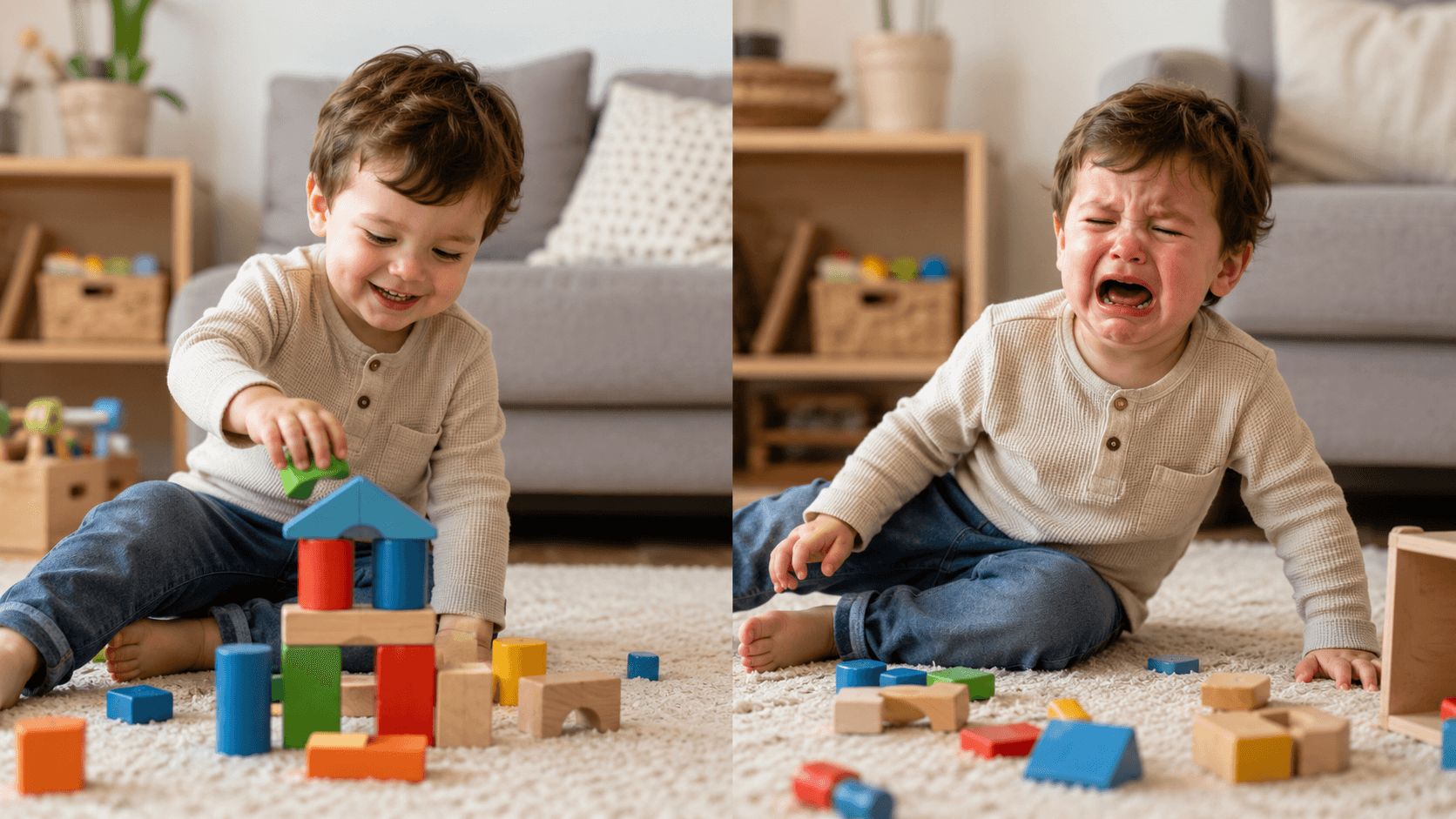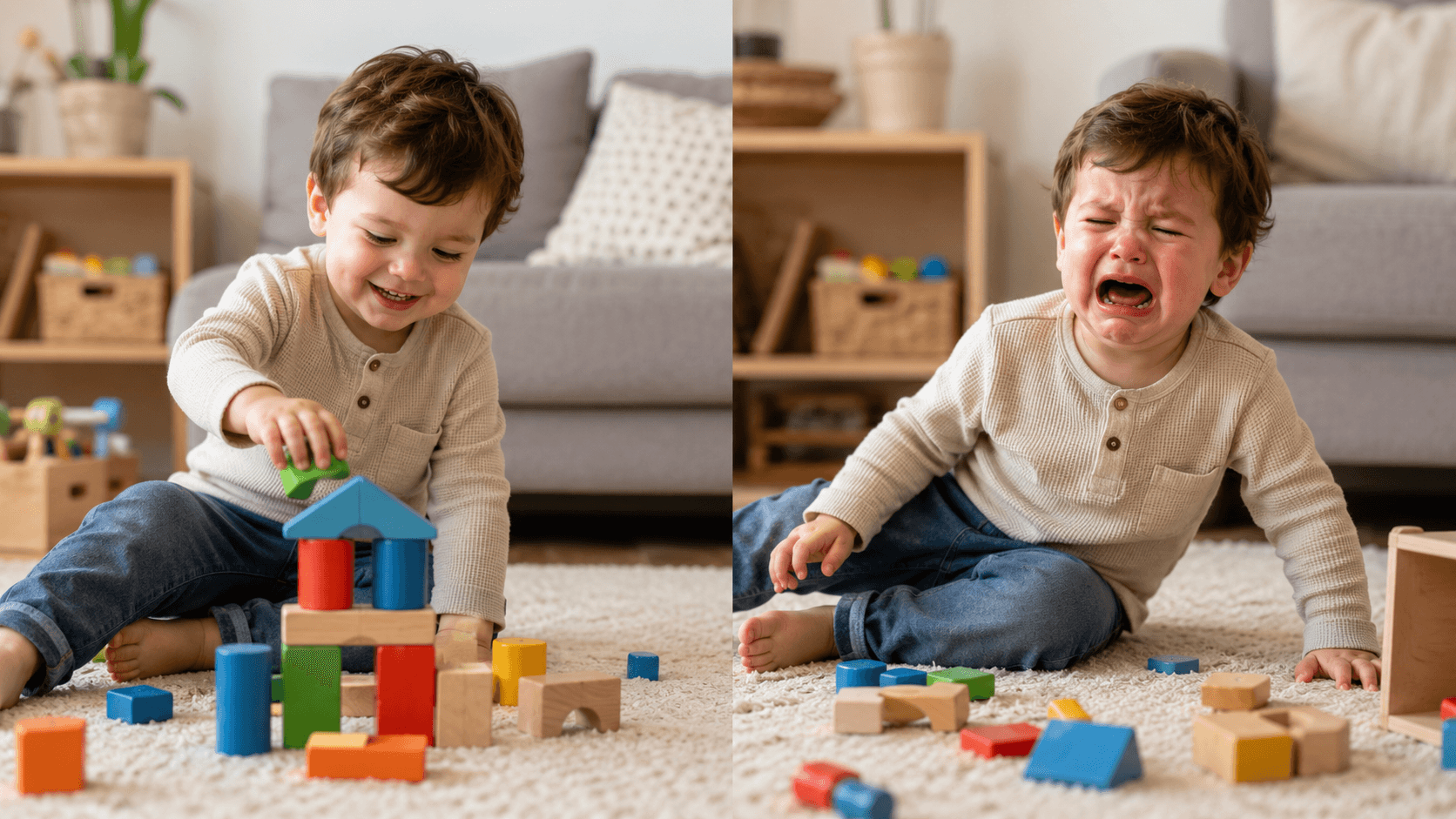
When you catch your child lying, it can feel surprisingly emotional. You may wonder: Are they becoming dishonest? Did I do something wrong? Should I punish this? What if lying becomes a habit?
Take a breath. Child lying is common, and it does not automatically mean your child has a “bad character.” Often, when a child lies, they are trying to avoid trouble, protect a wish, cover embarrassment, test reality, or handle a situation they do not yet have the skills to manage honestly.
The goal is not to shame your child into telling the truth. The goal is to build a home where truth feels safe, responsibility is expected, and repair is possible.
A Montessori-aligned approach asks: What skill is missing, and how can I help the child practice it with respect?
Table of contents
- Why kids lie
- Is child lying normal?
- What to do when your child lies
- What not to do when kids lie
- How to teach honesty without shame
- Age-by-age guide to child lying
- What if your child lies repeatedly?
- Scripts parents can use
- When to get extra support
- FAQ
- Related reads
Why kids lie
Children lie for different reasons. The response works best when you understand what may be behind it.
1. They are afraid of getting in trouble
This is one of the most common reasons kids lie.
A child spills juice, breaks something, hits a sibling, sneaks a snack, or uses a tablet after the limit. When the adult asks, “Did you do this?” the child may panic and say, “No.”
This does not always mean they planned to deceive you. Sometimes they are trying to escape the emotional weight of the moment.
2. They wish something were true
Young children can blur the line between imagination, wish, and reality.
A preschooler may say, “I didn’t eat the cookie,” while crumbs are on their shirt. In that moment, they may be expressing what they wish had happened: I wish I had not done something wrong.
3. They want control
Children sometimes lie when they feel they have very little control.
Examples:
- “I brushed my teeth” when they did not.
- “I finished cleaning up” when toys are still under the bed.
- “I don’t have homework” when homework feels overwhelming.
The lie may be a shortcut away from pressure.
4. They want attention
Some lying is really storytelling for attention.
Children may exaggerate:
- “Everyone at school loves my drawing.”
- “I can run faster than a car.”
- “My teacher said I’m the best.”
This kind of lying often needs gentle grounding, not a harsh consequence.
5. They are avoiding shame
If a child believes mistakes make them “bad,” they are more likely to hide mistakes.
A truth-safe home does not mean there are no limits. It means a child knows:
“I can tell the truth, and my parent will still help me make it right.”
6. They lack the skill to solve the problem honestly
Many lies are actually missing skills.
The child may need help learning how to:
- admit a mistake
- ask for help
- repair damage
- tolerate disappointment
- handle conflict
- accept a limit
- tell the truth when afraid
This is where parents can teach.
Is child lying normal?
In many cases, yes. Children are still developing impulse control, emotional regulation, memory, perspective-taking, and moral reasoning.
But “normal” does not mean you ignore it.
A calm parent response says:
“Truth matters here, and I will help you practice it.”
Not:
“You are a liar.”
That difference is important.
A child who lies needs guidance, not a fixed identity. Labeling a child as “a liar” can make the behavior feel like who they are instead of a skill they are learning.
For a broader developmental view, see the Child Development Milestones guide for ages 0-6. For help keeping limits calm and clear, read Child Discipline: Calm, Effective Strategies for Ages 1-6.
What to do when your child lies
When you catch your child lying, the first response matters. Try to stay calm enough to teach.
1. Pause before reacting
Your first instinct may be to say:
“Don’t lie to me!”
That reaction is understandable, but it can increase fear and make the next lie more likely.
Take a breath. Lower your voice. Move from accusation to guidance. If you find yourself getting overwhelmed, these practical strategies for becoming a calmer parent can help.
2. Avoid setting a trap
Instead of asking a question when you already know the answer:
“Did you draw on the wall?”
Try:
“I see marker on the wall. We need to clean it.”
This removes the panic moment where your child feels tempted to lie.
You can talk about honesty after the immediate problem is calmer.
3. Name the truth without shame
Try:
“It looks like the tablet was used after the timer ended.”
Or:
“The toy is broken. Let’s talk about what happened.”
You are not attacking the child. You are describing reality.
4. Keep the focus on repair
After a lie, the question is not only “How do I punish this?” The better question is:
“How do we make this right?”
Repair may look like:
- cleaning a spill
- returning an item
- apologizing when ready
- helping fix what broke
- practicing the honest words
- making a plan for next time
This is very Montessori-aligned: children learn responsibility through real action.
For practical responsibility-building at home, see Montessori Practical Life Activities.
5. Separate the lie from the original behavior
Sometimes parents give one big consequence for everything: the mistake, the lie, the emotion, and the attitude.
It helps to separate them.
Example:
“The marker on the wall needs to be cleaned. And we also need to talk about telling the truth.”
This teaches clearly without overwhelming the child.
What not to do when kids lie
These responses are common, but they often make lying worse.
Don’t shame the child
Avoid:
- “You’re a liar.”
- “I can’t trust you at all.”
- “Only bad kids lie.”
- “What is wrong with you?”
Try:
“The truth matters. I’ll help you tell it.”
Don’t over-punish
If the consequence feels huge, the child may become more afraid next time.
The goal is not fear. The goal is honesty and repair.
Don’t demand an immediate confession
Some children freeze when confronted. Give them a little space.
Try:
“I’m going to give you a minute. Then we’ll talk about what happened.”
Don’t lecture for too long
A long lecture can make a child shut down.
Keep it short:
- state what happened
- state the value
- repair
- plan for next time
Don’t treat all lies the same
A 3-year-old fantasy story is different from a 6-year-old hiding screen use. A fearful lie is different from a repeated pattern of sneaking.
The response should fit the age, the reason, and the impact.
Our Montessori chat support can help you respond calmly, understand the likely reason behind the lie, and choose a repair-focused plan that fits your child's age.
How to teach honesty without shame
Honesty grows best in a relationship where children feel safe enough to tell the truth.
1. Make truth easier than hiding
Try saying:
“You won’t be in trouble for telling me the truth. We will still need to fix the problem.”
This does not remove responsibility. It lowers fear.
2. Praise truth-telling specifically
When your child tells the truth, even about something hard, notice it.
Say:
“Thank you for telling me the truth. That was brave. Now we need to clean it up.”
This teaches that honesty is valued, but responsibility still matters.
3. Model honesty yourself
Children notice adult behavior.
When you make a mistake, say:
- “I forgot. That was my mistake.”
- “I said I would do it, and I didn’t. I’m sorry.”
- “I need to tell the truth: I was frustrated and spoke too sharply.”
Your honesty becomes the lesson.
4. Practice honest words when calm
Do not wait for the next crisis.
Practice phrases:
- “I made a mistake.”
- “I need help.”
- “I broke it.”
- “I forgot.”
- “I was scared to tell you.”
- “I did it, and I want to fix it.”
Children need language before they can use it under stress.
5. Use stories and role play
Role play can help children practice truth-telling without pressure.
Example:
Parent: “The teddy spilled water. Should teddy hide it or ask for help?”
Child: “Ask for help.”
Parent: “Yes. Teddy can say, ‘I spilled water. I need a cloth.’”
This is especially helpful for younger children.
Age-by-age guide to child lying
Ages 3-4: fantasy, wishes, and avoiding trouble
At this age, child lying may be mixed with imagination.
A child may say:
- “A dragon broke it.”
- “I didn’t do it.”
- “The doll ate the cookie.”
Keep it simple:
“That’s a funny story. I see the cookie is gone. Next time, ask first.”
Or:
“The cup spilled. Let’s get a cloth.”
The goal is not interrogation. The goal is connecting reality with responsibility.
Ages 5-6: truth, rules, and testing limits
Children this age understand more about rules, but impulse control is still developing.
They may lie about:
- brushing teeth
- cleaning up
- taking something
- screen time
- conflict with siblings
Try:
“I’m not going to ask if you did it. I can see what happened. Let’s fix it, then we’ll talk about what to do next time.”
What if your child lies repeatedly?
Repeated lying usually means one of three things:
- The child is afraid of the consequence.
- The child is trying to access something they cannot manage yet.
- The child needs more structure, supervision, or skill-building.
Look for patterns.
Ask yourself:
- When does the lying happen?
- What is my child trying to avoid?
- What are they trying to get?
- Is the rule clear?
- Is the expectation realistic?
- Is there too much temptation?
- Does my child know how to repair?
Example: lying about screen time
Instead of only saying, “Stop lying,” adjust the environment.
Try:
- devices kept in a shared space
- a clear screen-time routine
- a timer visible to the child
- a parent-controlled passcode
- a predictable ending ritual
- repair if the rule is broken
A prepared environment reduces the need for constant conflict.
Example: lying about cleaning up
The task may be too big.
Try:
- fewer toys available
- one shelf or basket at a time
- a clear cleanup routine
- child-sized storage
- an adult starting with the child
Montessori toy rotation can help reduce overwhelm.
Scripts parents can use
When you know your child is lying
“I know what happened. I’m not going to argue about it. We need to fix it.”
When your child is afraid to tell the truth
“You look worried. The truth is safe here. We will handle the problem together.”
When your child admits the truth
“Thank you for telling me. That was honest. Now we need to make it right.”
When your child blames someone else
“I hear that you’re saying your brother did it. I’m going to look at what happened, and we’ll solve it calmly.”
When your child lies about a mistake
“Mistakes can be fixed. Hiding makes it harder. Let’s try again with the truth.”
When you need to set a limit
“I won’t let you use the tablet alone right now because the rule was broken. We can try again tomorrow.”
When you want to teach trust
“Trust grows when words and actions match.”
Montessori-aligned honesty: truth, repair, and responsibility
A Montessori-aligned response to child lying is not permissive. It is respectful and firm.
It focuses on:
- observation before reaction
- calm limits
- natural or logical consequences
- repair instead of shame
- real responsibility
- practice when calm
- trust in the child’s ability to grow
Instead of asking, “How do I make my child feel bad enough to stop lying?” ask:
“How do I help my child become honest, responsible, and brave enough to tell the truth?”
That is the deeper goal.
When lying is connected to big emotions
Some children lie more when they are overwhelmed, anxious, tired, or dysregulated.
You may notice lying increases during:
- family stress
- school transitions
- new sibling adjustment
- separation or co-parenting stress
- sleep problems
- frequent conflict
- big changes in routine
Emotional regulation support can help.
Related reads:
- Mindfulness Activities for Kids
- Parenting Stress: How to Calm Your Nervous System
- Co-Parenting Across Two Homes
When to get extra support
Most child lying can be handled with calm limits, repair, and consistency.
Consider getting extra support if:
- lying is frequent and escalating
- your child steals, harms others, or shows no concern
- lying is connected to serious anxiety
- your child seems very afraid of consequences
- there is major conflict at home
- school reports repeated dishonesty
- you feel unable to respond calmly
- the behavior is part of a bigger pattern that worries you
Support might include a pediatrician, child therapist, school counselor, family therapist, or parent coach.
Needing help does not mean you failed. It means the pattern needs more support.
Quick parent checklist
When your child lies, try this:
- Stay calm.
- Do not set a trap.
- Name what you see.
- Keep your voice respectful.
- Focus on repair.
- Avoid shame labels.
- Praise truth-telling.
- Make the next step clear.
- Practice honest words when calm.
- Adjust the environment if the same lie keeps happening.
FAQ
Why do kids lie?
Kids lie for many reasons: fear, impulse, imagination, shame, control, attention, or avoiding a task. The best response depends on the reason behind the lie.
Is child lying normal?
Child lying is common, especially in early childhood. It still needs guidance. Parents can respond with calm limits, repair, and truth-telling practice.
What should I do when my child lies?
Stay calm, avoid setting a trap, name what happened, and focus on repair. Use simple language like: “The truth matters. Let’s fix the problem.”
Should I punish my child for lying?
Harsh punishment can make children more afraid to tell the truth. A better approach is a logical consequence, repair, and a plan for next time.
What if my kid lies about everything?
Look for patterns. Is your child afraid, overwhelmed, seeking control, or avoiding a repeated problem? Repeated lying often means the environment, expectation, or consequence needs adjustment.
How do I teach honesty without shame?
Model honesty, praise truth-telling, avoid labels like “liar,” and help your child repair mistakes. Make honesty feel safe, but still connected to responsibility.
Related reads on Montessori Parent Guide
- Montessori Practical Life Activities
- Montessori Toy Rotation at Home
- Mindfulness Activities for Kids
- Parenting Stress: How to Calm Your Nervous System
- Co-Parenting Across Two Homes
- Child Development Milestones for Ages 0-6
You do not have to handle child lying alone. Our Montessori chat support can help you understand what may be behind the behavior, choose calm words for the moment, and build a repair-focused plan that fits your child's age.
Final thought
When a child lies, it is easy to panic. But lying is not only a discipline issue. It is a chance to teach courage, honesty, responsibility, and repair.
Stay calm. Tell the truth about what you see. Keep limits clear. Help your child make it right.
The goal is not a child who is scared to get caught. The goal is a child who feels brave enough to tell the truth.